
Stage 4 · The Grand Tour
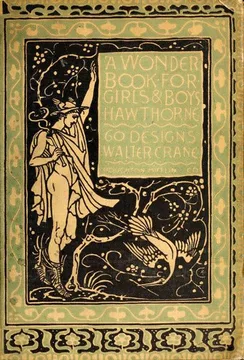
A Wonder-Book for Girls and Boys
Greek myths such as Medusa and King Midas, retold as stories told to children.
Questions waiting on this journey
- Part 9Eustace says the most useful critic is the one a young author would least choose. Why can it help to hear from someone who is hard to please?
- Part 13Philemon and Baucis are poor, yet they are ready to give half of their bread to a stranger. Why might people with little be generous?
- Last partPerseus, Pandora, Hercules, Philemon and Baucis: what makes someone truly great in these old stories — strength, courage, or a kind heart?
The first stop is open right now. Just walk one stop with me today. When you want to know what happens next, open the next door.
Pyeonggojae subscription
₩3,400 a month
₩29,900 a year — about ₩82 a day
- Lessons 2 to 15 of every Grand Tour
- Keep reading to the end of each book after lesson 15
- With Thomas or at your own pace — your choice
Before you subscribe
Try the first stop
- Lesson 1 of any book, start to finish
- Turn the pages with the original and a Korean translation
- Words, understanding and a short piece of writing, with Thomas to help
0 of 15 parts done
- Lesson 1FreeKing Polydectes speaks kindly to Perseus. How can we tell when kind words hide a bad plan?Start
- Lesson 2SubscriptionPerseus is afraid, yet he does not give up. What gives a person courage when a task seems impossible?Locked
- Lesson 3SubscriptionThe Three Gray Women lose their eye because they quarrel. What do we lose when we only think of ourselves?Locked
- Lesson 4SubscriptionPerseus could not have defeated Medusa alone. Is a hero still a hero when others help him?Locked
- Lesson 5SubscriptionPerseus feels "sorrow and pity" before he shows the head. Why might he feel pity for people who are cruel to him?Locked
- Lesson 6SubscriptionPandora cannot stop thinking about the box. Is curiosity a good thing or a dangerous thing?Locked
- Lesson 7Subscription"Just one little peep" — how does a small wrong step lead to a bigger one?Locked
- Lesson 8SubscriptionAfter all the Troubles fly out, Hope comes last. Why is hope so important when things go wrong?Locked
- Lesson 9SubscriptionEustace says the most useful critic is the one a young author would least choose. Why can it help to hear from someone who is hard to please?Locked
- Lesson 10SubscriptionThe maidens beg Hercules to rest, but he says, "I must depart now." What keeps a hero going when others tell him to stop?Locked
- Lesson 11Subscription"One of the hardest things in this world is, to see the difference between real dangers and imaginary ones." How can we tell the difference?Locked
- Lesson 12SubscriptionAtlas is not cruel, only "too selfish." Can being selfish hurt others as much as being cruel?Locked
- Lesson 13SubscriptionPhilemon and Baucis are poor, yet they are ready to give half of their bread to a stranger. Why might people with little be generous?Locked
- Lesson 14SubscriptionThe villagers bow to the rich but throw stones at the poor. What does the way we treat strangers show about our hearts?Locked
- Lesson 15SubscriptionPerseus, Pandora, Hercules, Philemon and Baucis: what makes someone truly great in these old stories — strength, courage, or a kind heart?Locked
After lesson 15 · Read to the end
Once you finish the 15 Grand Tour lessons, you can read the remaining chapters to the end of the book — just reading, no lessons.
Opens after lesson 15.
- The Miraculous PitcherThe Miraculous Pitchercontinues from the last lesson
When signed in, progress is saved to My library. Otherwise it stays on this device only.