
Stage 7 · The Grand Tour
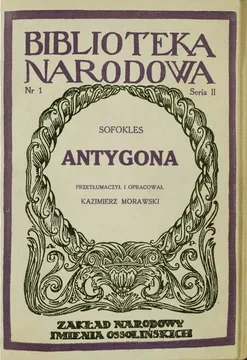
Antigone
Antigone defies the king to bury her brother, a play for debating conscience against law.
Questions waiting on this journey
- Part 9As she is led toward death, Antigone grieves for the life she will never have. Does this grief make her less heroic, or more human?
- Part 13The Messenger ends his report: "Mortals' unwisdom is the worst of all." Whose unwisdom led to this, and could it have been prevented?
- Last partWho is the true tragic figure of Antigone, Antigone or Creon? And what does the play teach about the clash between conscience and the law of the state?
The first stop is open right now. Just walk one stop with me today. When you want to know what happens next, open the next door.
Pyeonggojae subscription
₩3,400 a month
₩29,900 a year — about ₩82 a day
- Lessons 2 to 15 of every Grand Tour
- Keep reading to the end of each book after lesson 15
- With Thomas or at your own pace — your choice
Before you subscribe
Try the first stop
- Lesson 1 of any book, start to finish
- Turn the pages with the original and a Korean translation
- Words, understanding and a short piece of writing, with Thomas to help
0 of 15 parts done
- Lesson 1FreeWhen duty to family and the law of the state collide, which should a person follow?Start
- Lesson 2SubscriptionCreon says no friend may come before one's country. What makes a ruler's loyalty to the state right, and where might it go wrong?Locked
- Lesson 3SubscriptionCreon is certain the burial was done for money. Why might a powerful person find it hard to imagine that someone disobeyed out of conscience?Locked
- Lesson 4SubscriptionThe Chorus sings that nothing is more wondrous than man, yet his skill can lead to good or to evil. What decides which way a clever person goes?Locked
- Lesson 5SubscriptionAntigone appeals to "unwritten laws of Heaven" that are older than any king. Can there be a law higher than the law of the state, and how can we know what it says?Locked
- Lesson 6SubscriptionAntigone says, "My nature is for mutual love, not hate," while Creon insists, "Not even death can make a foe a friend." Should an enemy remain an enemy even after death?Locked
- Lesson 7SubscriptionCreon says that whoever the State appoints must be obeyed "just and unjust alike." Is obeying authority always a virtue?Locked
- Lesson 8SubscriptionHaemon says the wisest man lets himself be swayed by others' wisdom. Is changing your mind a sign of weakness or of wisdom?Locked
- Lesson 9SubscriptionAs she is led toward death, Antigone grieves for the life she will never have. Does this grief make her less heroic, or more human?Locked
- Lesson 10SubscriptionAntigone says she was led by "the law of conscience," yet Creon judges her guilty. Can a person be right in conscience and still guilty under the law?Locked
- Lesson 11SubscriptionTeiresias says that to err is common to all, but the wise person repents and seeks a cure. Why is it so hard for a powerful person to admit a mistake?Locked
- Lesson 12SubscriptionCreon finally gives way. Does he change because he sees he was wrong, or because he fears punishment? Does the reason for changing matter?Locked
- Lesson 13SubscriptionThe Messenger ends his report: "Mortals' unwisdom is the worst of all." Whose unwisdom led to this, and could it have been prevented?Locked
- Lesson 14SubscriptionThe play ends, "Of happiness the chiefest part Is a wise heart." After everything that has happened, what does a wise heart look like?Locked
- Lesson 15SubscriptionWho is the true tragic figure of Antigone, Antigone or Creon? And what does the play teach about the clash between conscience and the law of the state?Locked
When signed in, progress is saved to My library. Otherwise it stays on this device only.