
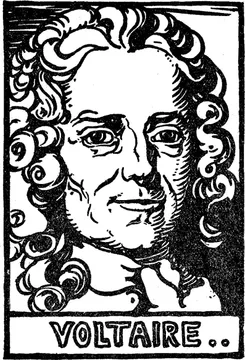
Stage 10 · The Grand Tour
Candide
A young man taught that all is for the best suffers every disaster, a satire that tests optimism.
Questions waiting on this journey
- Part 9After meeting the enslaved man of Surinam and being robbed, Candide gives up optimism and chooses the unhappiest man he can find as a companion. When we see great suffering, how should our way of thinking change?
- Part 13Pangloss has been hanged, dissected, and whipped, yet he says, "I am still of my first opinion." Why do people hold on to an idea even when their own experience argues against it?
- Last part"All is for the best" — after everything Candide has seen, what is left of Pangloss's optimism, and why does the book end with "let us cultivate our garden"?
The first stop is open right now. Just walk one stop with me today. When you want to know what happens next, open the next door.
Pyeonggojae subscription
₩3,400 a month
₩29,900 a year — about ₩82 a day
- Lessons 2 to 15 of every Grand Tour
- Keep reading to the end of each book after lesson 15
- With Thomas or at your own pace — your choice
Before you subscribe
Try the first stop
- Lesson 1 of any book, start to finish
- Turn the pages with the original and a Korean translation
- Words, understanding and a short piece of writing, with Thomas to help
0 of 15 parts done
- Lesson 1FreePangloss teaches that "all is for the best." After what Candide sees in his first days outside the castle, is that claim still believable?Start
- Lesson 2Subscription"Private misfortunes make the general good," says Pangloss. Can one person's suffering ever be explained away as good for the whole?Locked
- Lesson 3SubscriptionThe Inquisition burns people "to prevent earthquakes." What happens when fear and power claim to speak for God?Locked
- Lesson 4SubscriptionCandide, "naturally so gentle," kills two men in two minutes. Does a cruel world excuse cruel acts, or do we remain responsible?Locked
- Lesson 5SubscriptionThe old woman wanted to die a hundred times, "but still I loved life." Why do people cling to life even in terrible suffering?Locked
- Lesson 6Subscription"Master Pangloss always told me that all men are equal." Why is equality so easy to say and so hard to live by?Locked
- Lesson 7SubscriptionIn El Dorado, children play with gold and emeralds as if they were pebbles. What makes something truly valuable?Locked
- Lesson 8SubscriptionEl Dorado has no prisons, no lawsuits, and no one who burns others for their opinions — yet Candide chooses to leave. Why can't people stay content even in a perfect place?Locked
- Lesson 9SubscriptionAfter meeting the enslaved man of Surinam and being robbed, Candide gives up optimism and chooses the unhappiest man he can find as a companion. When we see great suffering, how should our way of thinking change?Locked
- Lesson 10SubscriptionIn Paris people laugh, talk wittily, and dine gaily, yet Candide loses fifty thousand francs and hears that Parisians "do the most detestable things while laughing." Is a society's refinement any guarantee of its goodness?Locked
- Lesson 11SubscriptionA Marchioness who wants his diamonds, a fake Cunegonde, a Paquette who sings while she suffers: why does Candide keep being fooled by what he sees, and what does it take to see past appearances?Locked
- Lesson 12SubscriptionPococurante owns the finest paintings, books, and gardens, yet nothing pleases him; six kings have lost their thrones and come to Venice for the Carnival. Can possessions and rank make a person happy?Locked
- Lesson 13SubscriptionPangloss has been hanged, dissected, and whipped, yet he says, "I am still of my first opinion." Why do people hold on to an idea even when their own experience argues against it?Locked
- Lesson 14SubscriptionAll the adventures are over, and on a small farm Candide's company sinks into boredom. Which is worse, suffering or having nothing to do? And what makes life bearable?Locked
- Lesson 15Subscription"All is for the best" — after everything Candide has seen, what is left of Pangloss's optimism, and why does the book end with "let us cultivate our garden"?Locked
When signed in, progress is saved to My library. Otherwise it stays on this device only.