
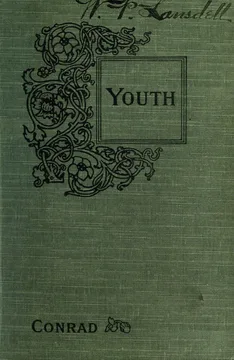
Stage 9 · The Grand Tour
Heart of Darkness
Marlow travels up the Congo River in a novella that questions imperialism and human darkness.
Questions waiting on this journey
- Part 9The young man in patched clothes says Kurtz "has enlarged my mind." What kind of power does Kurtz seem to have over people, even before Marlow meets him?
- Part 13Kurtz's last words are "The horror! The horror!" Marlow calls them "a moral victory." What horror might Kurtz have seen, and why does Marlow honor this cry?
- Last partWhere is the "heart of darkness"—in the African wilderness, in Europe's "noble cause," or in the human heart itself?
The first stop is open right now. Just walk one stop with me today. When you want to know what happens next, open the next door.
Pyeonggojae subscription
₩3,400 a month
₩29,900 a year — about ₩82 a day
- Lessons 2 to 15 of every Grand Tour
- Keep reading to the end of each book after lesson 15
- With Thomas or at your own pace — your choice
Before you subscribe
Try the first stop
- Lesson 1 of any book, start to finish
- Turn the pages with the original and a Korean translation
- Words, understanding and a short piece of writing, with Thomas to help
0 of 15 parts done
- Lesson 1FreeMarlow says London "also has been one of the dark places of the earth." What does "darkness" mean at the start of this story?Start
- Lesson 2SubscriptionPeople around Marlow talk of a "noble cause" and "emissaries of light." What does Marlow see behind those fine words?Locked
- Lesson 3SubscriptionAt the first station Marlow sees chained men, dying workers, and a perfectly dressed accountant. What is the Company's "work" really doing?Locked
- Lesson 4SubscriptionAt the Central Station people wait, plot, and whisper "ivory" as if praying. What has really taken the place of the "noble cause" there?Locked
- Lesson 5SubscriptionMarlow says, "We live, as we dream—alone." Surrounded by pretence and plotting, what does he hold on to, and why?Locked
- Lesson 6SubscriptionGoing upriver, Marlow says the worst thing was "this suspicion of their not being inhuman." What is he discovering—about the people on the shore, or about himself?Locked
- Lesson 7SubscriptionThe starving crew does not turn on the few white men. Marlow calls it "restraint." What is restraint, and who in this story has it—or lacks it?Locked
- Lesson 8SubscriptionMarlow says Kurtz "was very little more than a voice." Can beautiful words hide terrible intentions? What does Kurtz's report reveal?Locked
- Lesson 9SubscriptionThe young man in patched clothes says Kurtz "has enlarged my mind." What kind of power does Kurtz seem to have over people, even before Marlow meets him?Locked
- Lesson 10SubscriptionMarlow says Kurtz "lacked restraint" and "was hollow at the core." What happens to a person who has magnificent words but nothing inside to hold him back?Locked
- Lesson 11SubscriptionThe manager condemns Kurtz's "unsound method," while Marlow sides with Kurtz and calls it "a choice of nightmares." Why might Marlow prefer one nightmare to the other?Locked
- Lesson 12SubscriptionMarlow says he "struggled with a soul" that knew "no restraint, no faith, and no fear." What does he see when he looks into Kurtz's soul—and why does he stay loyal to "the nightmare of my choice"?Locked
- Lesson 13SubscriptionKurtz's last words are "The horror! The horror!" Marlow calls them "a moral victory." What horror might Kurtz have seen, and why does Marlow honor this cry?Locked
- Lesson 14SubscriptionMarlow, who says he hates lies, tells Kurtz's Intended a lie. Was it mercy, weakness, or something else—and what does the ending say about where darkness lies?Locked
- Lesson 15SubscriptionWhere is the "heart of darkness"—in the African wilderness, in Europe's "noble cause," or in the human heart itself?Locked
When signed in, progress is saved to My library. Otherwise it stays on this device only.