
Author · Peter Pan (Peter and Wendy)
J. M. Barrie and the Boy Who Would Not Grow Up
A brother lost in childhood, boys met in Kensington Gardens and a gift to a children's hospital lie behind Peter Pan.
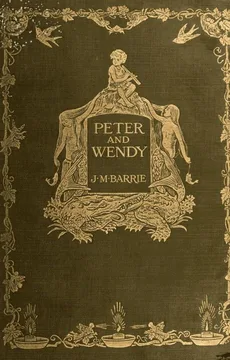
Peter Pan flies, fights pirates and refuses ever to grow up. For well over a century he has been reborn on stage, in books and on screen. Looking at the life of his creator, James Matthew Barrie, helps us see where the idea of a boy who never grows up may have come from.
The ninth child of a weaver
Barrie was born in 1860 in Kirriemuir, a small town in Scotland, the son of a weaver and the ninth child in a large family. When he was about six, his older brother David, his mother's favorite, died in a skating accident just before his fourteenth birthday.
His mother was overwhelmed by grief, and young James is said to have tried hard to comfort her. In her mind, David would remain a boy forever. Many writers have linked that family memory with the character of Peter Pan.
Boys in Kensington Gardens
After studying at the University of Edinburgh and working as a journalist, Barrie moved to London, where he became a successful playwright and novelist. Walking his dog in Kensington Gardens, he got to know the young sons of the Llewelyn Davies family. He played pirates and explorers with them and made up stories on the spot.
Those games grew into the play Peter Pan, first staged in London in 1904, and later into the novel Peter and Wendy, published in 1911. The moment when the audience claps to save the fairy Tinker Bell is still a famous moment in the play.
A gift to sick children
In 1929, Barrie gave the rights to Peter Pan to Great Ormond Street Hospital, a children's hospital in London. From then on, money earned from performances and editions went toward caring for sick children. Long after Barrie's death, when the copyright term ran out, Parliament included a special provision in a 1988 law allowing the hospital to keep receiving royalties in the United Kingdom.
What adventures Wendy and her brothers have in Neverland, and what choices they make there, are for readers to discover.
A question to think about
In 1929 Barrie gave the rights to Peter Pan to a London children's hospital, and that money still helps treat sick children. It is striking that Parliament later wrote a special provision into law to keep the gift going. Today many children's hospitals and treatment programs still depend heavily on donations from individuals and companies.
Is it acceptable for a sick child's care to depend on someone's generosity, or is that something society should guarantee through taxes and public systems? And do people who achieve great success, as Barrie did, carry a special responsibility to share it?