
Era · The Call of the Wild
Gold, Snow and Sled Dogs in the World of The Call of the Wild
The Klondike Gold Rush of the 1890s, the hard trail north, and Jack London's own winter in the Yukon shaped Buck's story.
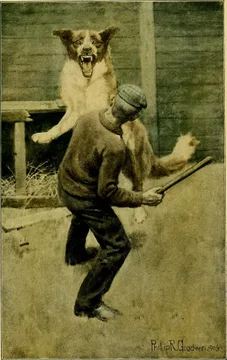
Buck, the hero of The Call of the Wild, starts out as a comfortable, well-fed dog on a big estate in sunny California. Then he is stolen, sold, and shipped north to pull sleds across the frozen Yukon. His story is fiction, but the world he is dragged into was very real: the Klondike Gold Rush of the late 1890s.
The news that started a stampede
In August 1896, gold was found in a creek near the Klondike River in Canada's Yukon. Word spread slowly at first, because the region was so remote. Then, in the summer of 1897, ships arrived in Seattle and San Francisco carrying miners loaded with gold, and the excitement exploded. Times were hard in the United States, and tens of thousands of people quit their jobs and headed north hoping to get rich. That rush of people chasing gold is what "gold rush" means.
Getting there was brutal. Many travelled by ship to the Alaskan coast, then hauled their supplies over steep mountain passes before building boats to float hundreds of miles down rivers to Dawson City. Canadian police required each person to bring roughly a year's worth of food and gear so they would not starve, which meant carrying the load up the passes in many trips.
Why dogs became precious
In a land of snow and ice, dogs were the trucks of the north. They pulled sleds of supplies, mail, and people across distances no horse could manage in winter. As crowds poured in, strong dogs with thick coats became hugely valuable, and dogs were bought and even stolen far to the south to meet the demand. That is exactly what happens to Buck in the opening chapters.
Sled dogs worked in teams harnessed in a line, with a lead dog at the front. Much of the novel follows Buck learning the rules of the team and the trail, told almost entirely through his eyes.
A writer who went north himself
Jack London joined the rush in 1897, when he was twenty-one. He spent a hard winter in the Yukon, found almost no gold, and came down with scurvy, an illness caused by a lack of fresh fruit and vegetables. He returned home the following year.
What he did bring back was a head full of stories: the cold, the hunger, the greed of some men and the endurance of others, and the dogs that kept everything moving. A few years later, in 1903, The Call of the Wild was published. London had gone looking for gold and come home with material for a lifetime of writing instead.
A question to think about
When the gold rush began, strong dogs became almost as precious as gold, and Buck was stolen from a warm home and sold to pull sleds across frozen land. When human greed grew, the first to pay were animals who could not speak for themselves. Putting animals to work and buying and selling them still continues in many forms.
How far is it acceptable for people to make animals work or to profit from them? Thinking about pet shops, animal shows and animals used in experiments, if animals have rights we must always protect, what would those rights be?