
Society · The Story of Doctor Dolittle
Why Did Doctor Dolittle Lose His Human Patients?
Behind the doctor who talks to animals lies an old English village where reputation, money and working animals shaped everyday life.
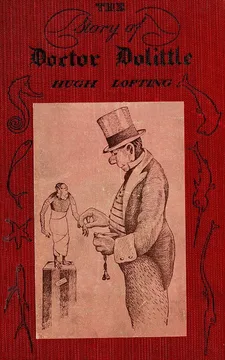
For more than a hundred years, children have loved Doctor Dolittle, the man who learns to talk with animals. Yet young readers often wonder why his human patients drift away, and why his sister worries so much about money. The answers lie in the everyday life of the small English town where the story begins.
A doctor born in wartime letters
Hugh Lofting was born in England and served as a soldier in the First World War. From the front, he sent illustrated letters home to his children, and the stories in those letters grew into Doctor Dolittle. Armies of that war relied on huge numbers of horses to pull wagons and guns, and badly wounded horses rarely received real medical care. Lofting is widely reported to have imagined a doctor for animals after seeing this. The book was first published in 1920.
Reputation, money and a sister who keeps house
The story opens long ago, when "our grandfathers were little children," in a town called Puddleby-on-the-Marsh. In those days England had no public system to help pay doctors' bills. Patients paid the doctor directly, so a country doctor depended on his good name in town. Doctor Dolittle's house, however, is overflowing with pets. After an elderly lady with aching joints sits down on a hedgehog sleeping on the sofa, the respectable patients stop coming, and his income shrinks quickly.
His sister Sarah keeps house for him. An unmarried sister running a brother's household was a common arrangement in England at the time. When Sarah scolds him about the animals, it can be read less as meanness and more as the practical voice of someone trying to keep food on the table.
The cat's-meat-man and the working animals
It is the cat's-meat-man who first suggests the doctor should treat animals instead. This was a real trade: a seller who went from door to door with meat for people's cats and dogs. In that world, animals were part of the workforce. Horses pulled carts and ploughs, and dogs guarded homes and flocks. That is why an old plough horse whose eyesight is failing comes to the doctor and leaves wearing spectacles. When an animal fell ill, a family's work and income could suffer too, so a doctor who could understand animals would have been very welcome indeed.
A question to think about
After the hedgehog incident, Doctor Dolittle loses his human patients and turns to caring for animals. Lofting himself began the story after watching wounded war horses go without proper treatment. Today, animals still live and work alongside people on farms, on streets and in our homes, and deciding who looks after them when they become sick or old is still not simple.
When an animal has spent its life helping people and then grows sick or old, who do you think is responsible for caring for it, and how far should that responsibility go? If the owner cannot afford that care, what other ways could be found to help?