
Author · The Wind in the Willows
Kenneth Grahame, the Banker Who Wrote About a River
Denied a place at Oxford, Kenneth Grahame worked at the Bank of England and wrote river stories for his son.
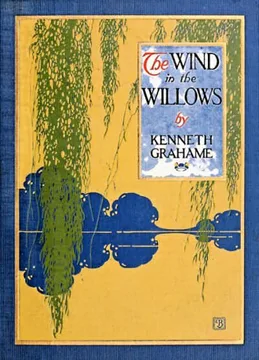
The Wind in the Willows opens with Mole abandoning his spring cleaning and bursting up into the sunshine. It is a gentle, unhurried book about boats, picnics and friendship. The man who wrote it, Kenneth Grahame, spent most of his working life not in a riverside cottage but behind a desk at a London bank.
A boyhood beside the Thames
Grahame was born in Edinburgh in 1859. His mother died when he was small, and he and his siblings were sent to live with their grandmother in Berkshire, in the south of England, not far from the River Thames. Young Kenneth roamed the riverbanks, meadows and woods. That landscape of water voles and moles would one day become the world of his novel.
He did well at school and hoped to go to Oxford. The relatives responsible for him, however, would not pay for university. Instead he went to work at the Bank of England.
Banker by day, writer by night
Grahame was a reliable employee and rose over the years to become Secretary of the Bank, one of its senior posts. All the while he wrote in his spare time, publishing essays in magazines and collections of stories about childhood. Even as a grown man, he was fascinated by the way children see the world.
We cannot know exactly how he felt about office life. But when we read about his animals drifting down the river, packing picnic baskets and talking late into the night, it is easy to sense how much he treasured unhurried time outdoors.
Stories for a boy called Alastair
The first audience for the book was Grahame's only son, Alastair. Grahame told him bedtime stories about Mole, Rat and the boastful Mr. Toad, and when they were apart, he continued the adventures in letters. Those stories were reworked into a book published in 1908.
There is Toad, who falls head over heels for motor cars and lurches from one disaster to the next; Badger, gruff and shy of company but utterly dependable; and Rat, who would rather be messing about in boats than doing anything else. Some readers see in them the English gentlemen Grahame knew. Where Toad's misadventures lead is best found out on the page.
A question to think about
Grahame was a strong student who longed to go to Oxford, but the relatives who looked after him would not pay, so he went to work at a bank instead. His family's circumstances, not his ability, decided his path. Today people still point out that the home a child is born into can shape the education they receive and the choices open to them.
Is it the job of a family or of society as a whole to make sure a child who wants to learn is not held back by money? And does a story like Grahame's, where talent found another way, make the problem seem smaller or larger?