
Lesson · Anne of Green Gables
What Anne of Green Gables Teaches About Getting Things Wrong
Imagination, mistakes, and friendship on Prince Edward Island: why a talkative, imperfect orphan still wins readers over.
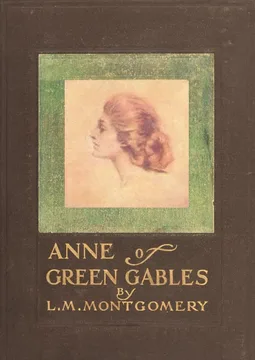
Every year, visitors travel to Prince Edward Island, a small province on Canada's east coast, to see the places that inspired Anne of Green Gables. More than a century after the book appeared, readers still love Anne Shirley. Part of the reason may be that she is far from perfect. She talks too much, imagines too much, and gets a great many things wrong.
An island and its storyteller
Lucy Maud Montgomery published Anne of Green Gables in 1908. She grew up on Prince Edward Island herself, raised largely by her grandparents after her mother died when she was a baby. The island's red dirt roads, orchards, and fields running down to the sea became the village of Avonlea.
The story begins with a mix-up. Matthew and Marilla Cuthbert, an older brother and sister, ask for a boy from an orphanage to help on their farm. Instead, an eleven-year-old girl with red braids arrives. Anne is terrified of being sent back, and the reserved Cuthberts slowly discover they cannot imagine the house without her.
The gift of imagination
Anne refuses to let ordinary things stay ordinary. A road lined with blossoming apple trees becomes the White Way of Delight; a pond becomes the Lake of Shining Waters. For a lonely child who had moved from home to home, imagination was a way to survive.
It also gets her into trouble. She and her friend invent such frightening stories about a nearby wood that Anne becomes too scared to walk through it after dark. The novel laughs at her, gently, but never suggests she should stop dreaming.
Learning from mistakes
Anne's mistakes are some of the most memorable scenes in the book. Hating her red hair, she buys dye from a peddler and turns it green. She serves her best friend what she thinks is a harmless cordial, which turns out to be currant wine, causing a scandal with her friend's mother. And when a classmate, Gilbert Blythe, teases her by calling her "Carrots," she breaks her slate over his head.
What matters is what comes after. Anne feels the sting of each mistake, apologises, and tries hard not to repeat it. Growing up, the book suggests, is not about never getting things wrong. It is about how you respond when you do.
Friendship worth keeping
Above all, Anne longs for a "kindred spirit," someone who understands her. She finds one in Diana Barry, who lives nearby, and the two promise to be friends forever. Even when they are kept apart for a time, Anne stays loyal.
A question to think about
Matthew and Marilla first wanted a boy who could help on the farm. They began by choosing a child for usefulness, which is why Anne is so afraid of being sent back. She makes mistake after mistake, yet she grows because the Cuthberts do not take her chance away. Judging people by their usefulness or their mistakes still happens today, in schools and workplaces.
If someone loses an opportunity because they are not what others expected, or because they make many mistakes, is that fair? In your class or in society, who should get a second chance, and on what terms?