
Society · Little Women
The Real Family Behind Little Women
Life on the Civil War home front and the Alcott household in Concord, Massachusetts, that inspired the March sisters.
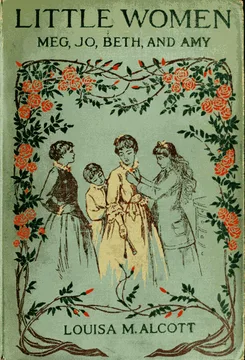
Meg, Jo, Beth and Amy have been keeping readers company for more than 150 years. One reason Little Women still feels so alive is that the March household was modeled closely on the real family of its author, Louisa May Alcott.
The war that came home
The novel opens during the American Civil War, fought from 1861 to 1865 between the Northern and Southern states, with slavery at the heart of the conflict. Mr. March is away serving as a chaplain, a minister to the soldiers, with the Union army. At home, his wife, whom the girls call Marmee, keeps the household going with their four daughters.
Homes far from the battlefields were still part of the war. Across the North, women and girls sewed clothing, knitted socks, rolled bandages and gathered supplies to send to soldiers. Letters were the thread that held families together, and they could take a long time to arrive. When the March sisters gather to read a letter from their father, they are doing what a great many real families did during those years.
A small town full of big thinkers
The Alcotts spent many years in Concord, Massachusetts, a small town in the New England region of the northeastern United States. Their neighbors included the writer and thinker Ralph Waldo Emerson and Henry David Thoreau, the author of Walden.
Louisa's father, Bronson Alcott, was a teacher and philosopher full of bold ideas about education, but he was not good at earning money. The family was often poor, and the daughters went to work young. Louisa worked as a teacher, a seamstress and a governess, and she wrote stories to help pay the bills. The March sisters' efforts to stay cheerful and generous while money is tight come straight from that experience.
The sisters behind the sisters
Louisa was one of four sisters: Anna, the eldest, then Louisa, Elizabeth and May. They became the models for Meg, Jo, Beth and Amy. Jo, hot-tempered and in love with writing, is widely seen as Louisa's portrait of herself. May, like Amy, loved art, and she went on to study painting in Europe.
During the war, Louisa volunteered as a nurse at an army hospital in Washington, D.C. After only a few weeks she fell seriously ill with typhoid fever and had to return home, but the sketches she wrote about hospital life drew attention to her writing. Some years later her publisher suggested she write a book for girls. The result, Little Women, appeared in 1868.
A question to think about
The Civil War was fought over slavery, and even women and children far from the battlefields carried part of its weight, sewing clothes and gathering bandages. The Alcott daughters had to work from a young age because the family was poor. Housework and caregiving held families together, yet for a long time they were not treated as real work.
When children share the burden of hardships adults created, such as war or poverty, where does fair help end and unfair burden begin? If society treated caregiving and housework at home as real work, what would change?