
Society · The Odyssey
Why Odysseus Was Fed Before Anyone Asked His Name
Hospitality, gods who take sides and poetry sung from memory: a look at the ancient Greek world behind the Odyssey.
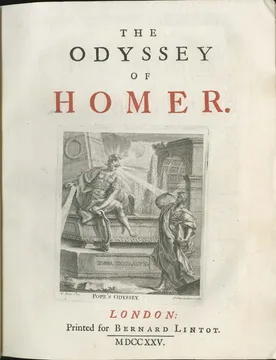
After the Trojan War ends, the hero Odysseus spends ten long years trying to get home to the island of Ithaca. The Odyssey is packed with monsters, witches and shipwrecks. Read a little differently, though, it is also a window into how ancient Greeks believed people ought to treat one another.
The guest is sacred
The Greeks had a word, xenia, for the bond between a host and a guest. When a stranger arrived at the door, a good host offered water for washing, food, drink and a place to rest, and only afterward asked who the visitor was. Guests, in turn, were expected to respect the household. A host might even send a guest on his way with gifts. All of this was watched over by Zeus, king of the gods, who was believed to protect strangers and travelers.
In a world of dangerous roads and few inns, xenia worked like a safety net. It made long journeys possible.
Good hosts, bad hosts, and the gods
The Odyssey is full of people who honor xenia and people who break it. Washed ashore half-drowned, Odysseus is welcomed by the Phaeacians and their king, Alcinous, who feast him and listen as he tells the story of his wanderings. The Cyclops Polyphemus, a one-eyed giant, does the opposite: instead of feeding his guests, he tries to eat them.
That encounter has consequences. Polyphemus is a son of Poseidon, god of the sea, and after Odysseus blinds the giant and escapes, Poseidon keeps stirring up trouble on the voyage home. Athena, goddess of wisdom, takes Odysseus's side. Greek gods behave a lot like powerful people: they hold grudges, pick favorites and step into human lives.
Back on Ithaca, a crowd of men hoping to marry Odysseus's wife, Penelope, have moved into his house and are eating their way through his wealth. They are about as bad as guests can be, and the story builds toward the moment when the master of the house returns and order is restored.
A poem made for listening
The Odyssey is credited to Homer, but it began as a song rather than a written text. Singers performed long tales like this from memory, and the poem even shows one at work: Demodocus, a blind bard who sings at the Phaeacian court.
How could anyone hold so many lines in their head? One tool was repetition. Phrases such as "rosy-fingered Dawn" and "grey-eyed Athena" return again and again. Scholars think these ready-made descriptions, called epithets, helped singers keep the rhythm and find the next line while they performed.
A question to think about
The ancient Greeks offered food and rest to a stranger at the door before asking his name, and that promise became a safety net for anyone traveling far from home. Today, people who have fled war and disaster stand at the doors of other countries.
Can the spirit of xenia apply to nations and societies today? When the warmth of welcoming strangers meets the wish to protect our own community, what standard should guide our decision?