
Story · The Velveteen Rabbit
A Toy Rabbit Who Wanted to Know What It Means to Be Real
A velveteen rabbit given as a Christmas present learns from a wise old toy what it means to become Real, in a gentle story first published in 1922.
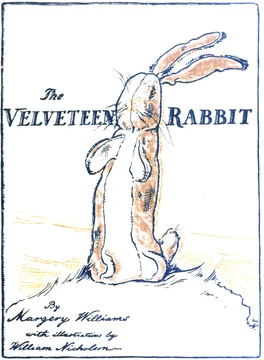
Most of us remember a toy or blanket we loved so much that it went thin, faded and lumpy, and yet we would never have traded it for something new. Margery Williams's The Velveteen Rabbit, first published in 1922, imagines what such a toy might be thinking. It is a short book, but its central idea tends to stay with readers for years.
A rabbit in a Christmas stocking
The story begins on Christmas morning, when a little boy finds a rabbit sitting in the top of his stocking. The rabbit is made of velveteen, a soft cloth with a short, fuzzy surface, and it has brown and white spots and pink lining inside its ears. The boy is delighted at first, but there are so many other presents that day that the rabbit is soon forgotten and left in the toy cupboard.
Show-off toys and a wise old horse
Life in the nursery cupboard is lonely. The mechanical toys, expensive and full of clever moving parts, think very highly of themselves and look down on the simple rabbit, who is only stuffed with sawdust. The one toy who is kind to him is the Skin Horse, the oldest toy in the nursery. His coat is worn bare in patches and his seams show, but he has seen many toys come and go, and he understands the strange ways of the nursery.
When the Rabbit asks what it means to be Real, the Skin Horse explains that it has nothing to do with buzzers or wind-up keys. "Real isn't how you are made," he says. "It's a thing that happens to you." A toy becomes Real, he tells the Rabbit, when a child loves it for a long, long time, not just to play with but truly. By then its fur may be rubbed off and its joints loose, but that no longer matters.
Days in the boy's arms
One night the boy cannot find the toy he usually sleeps with, and his nurse hands him the rabbit instead. From then on, the rabbit goes everywhere with him: into his bed, out to the garden, into pretend burrows under the bedclothes. The more the boy hugs him, the shabbier his velveteen becomes, and the happier the rabbit feels. Then, in the garden, he meets real wild rabbits, and their questions make him wonder whether he is Real after all.
What makes the book memorable is the way it turns an everyday word upside down. Being new and perfect is not what makes something precious here; being loved, and being changed by that love, is.
A question to think about
In the toy cupboard, the mechanical toys sneer at the rabbit because he is plain and cheap, while the worn-out Skin Horse turns out to be the wisest of them all. People today still judge things, and sometimes other people, by how new, shiny or expensive they look. We also tend to throw old things away quickly and replace them, rather than keeping and caring for what we have.
What do you think makes a thing, or a person, truly valuable? Can you remember a time when someone was judged only by how they looked on the outside?